
Quick Answer
Bail in California is not guaranteed. Courts may deny bail for reasons such as flight risk, severity of the crime, prior convictions, or threats to public safety. Understanding these reasons helps families and defendants prepare and explore alternatives with licensed bail services like California Bail.
Introduction
When a loved one is arrested, families often assume that posting bail will immediately secure release. However, certain legal circumstances can prevent bail from being granted. California law allows judges to deny bail in specific cases to protect public safety or ensure court appearances.
Knowing why bail might be denied and what alternatives exist, including services from California Bail, helps families act strategically and reduce time in custody.
Step 1: Severity of the Offense

The seriousness of the crime is the most common reason bail is denied.
- Felonies: Violent crimes such as murder, armed robbery, or sexual assault often result in denied bail. Felony bail bonds may be required if bail is later allowed.
- DUI with injury or fatalities: Higher-risk DUI offenses may prevent bail. DUI bail bonds assist families with eligible cases.
- Domestic violence: Severe or repeated incidents may result in bail denial. Domestic violence bail bonds handle less severe situations.
Step 2: Flight Risk
Courts assess whether the defendant is likely to flee:
- Lack of local ties (job, residence, family)
- History of evading law enforcement
- Pending charges in other jurisdictions
If considered a flight risk, bail may be denied or set prohibitively high. In such cases, families can consult licensed bail bondsmen at California Bail for legal guidance.
Step 3: Prior Criminal Record
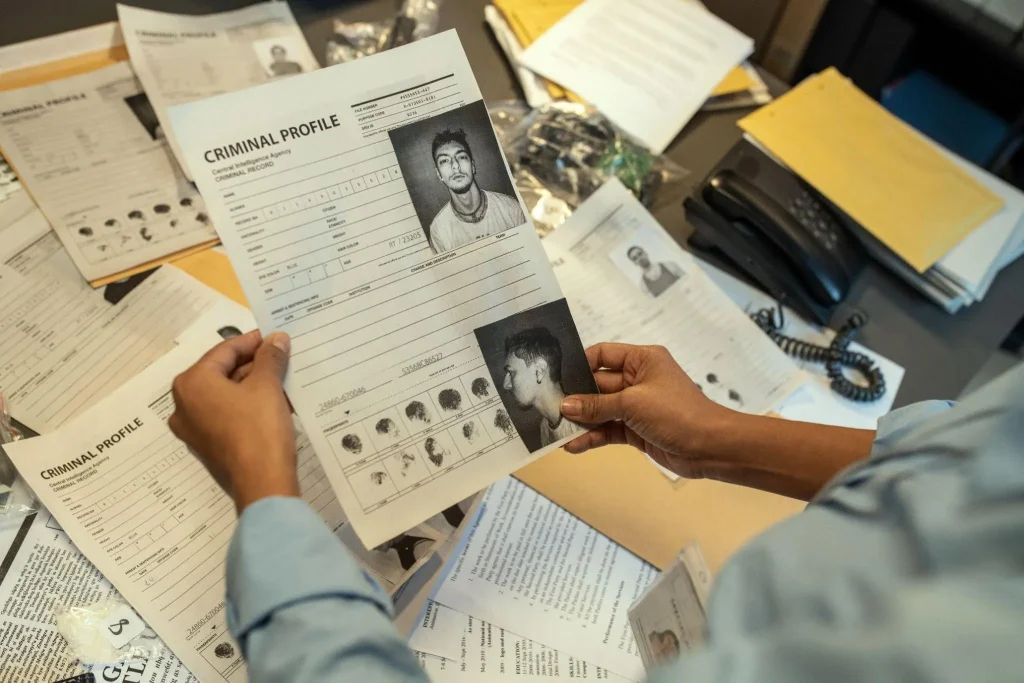
Individuals with extensive criminal histories, especially prior failures to appear in court, may be denied bail.
- Repeat offenders are considered high-risk.
- Certain felonies may carry mandatory denial under California law.
Licensed services like California Bail provide expertise in navigating bail options for high-risk individuals.
Step 4: Threat to Public Safety
Courts may deny bail if the defendant poses a danger to others.
- Violent crimes, gang-related offenses, or domestic threats
- Cases involving minors or vulnerable victims
- Pending protective or restraining orders
Families should work closely with licensed bail services to understand eligibility and alternatives.
Step 5: Bail Denied by Statute
Some charges carry statutory restrictions on bail:
- Certain sexual offenses
- Repeat violent felonies
- Serious drug trafficking cases
Licensed services like California Bail help explain when statutory restrictions apply and guide families on available options.
Step 6: Court Discretion and Judge’s Decision
Judges have discretion in evaluating:
- Defendant’s character
- Past compliance with court orders
- Risk to the community
Even when eligibility exists, bail may be denied to ensure justice and public safety. Licensed bail bondsmen provide insight into negotiating conditions or alternative release options.
Step 7: Impact of Warrants or Immigration Holds
- Arrests for outstanding warrants or immigration issues may result in denied bail.
- Warrant bail bonds and Immigration bail bonds are specialized solutions when bail is possible.
Step 8: County-Specific Considerations
Different California counties may have slightly different procedures:
- Los Angeles and San Diego: High-volume courts may have stricter risk assessments.
- Imperial & Santa Barbara counties: County-specific bail services can guide families on local regulations and processing.
Step 9: Alternatives When Bail Is Denied
If bail is denied, families can:
- Request a bail review hearing to challenge the denial
- Explore pre-trial release programs or diversion programs
- Use licensed bail services like California Bail to expedite any conditional release
Step 10: Practical Tips for Families
- Gather complete arrest and booking information.
- Contact a licensed bail bondsman immediately for guidance.
- Maintain communication with attorneys and courts.
- Document any protective orders or court instructions.
- Stay calm and organized to reduce stress during proceedings.
Step 11: The Role of Licensed Bail Services
Even if bail is initially denied, licensed bail bondsmen at California Bail can:
- Advise families on eligibility for a review hearing
- Provide insights on conditional release programs
- Ensure paperwork and legal requirements are completed properly
These services are critical in navigating complex cases, including DUI, felony, misdemeanor, and immigration-related arrests.
Step 12: Importance of Legal Counsel
Legal guidance ensures that rights are protected:
- Helps challenge bail denial or negotiate conditions
- Advises on pre-trial compliance
- Coordinates with licensed bail services to maximize release opportunities
Step 13: Summary of Bail Denial Scenarios
| Reason for Denial | Examples | Notes |
| Severity of Offense | Felonies, violent crimes, serious DUI | Statutory limitations may apply |
| Flight Risk | Lack of ties, history of evasion | Judge may require higher bail if allowed |
| Prior Criminal Record | Repeat offenders, missed court appearances | Increased risk assessment |
| Threat to Public Safety | Violence, domestic threats, vulnerable victims | Bail may be denied entirely |
| Statutory Restrictions | Certain sexual offenses, repeat violent felonies | Not negotiable |
| Warrants / Immigration | Pending warrants, immigration holds | Specialized bonds may be needed |
FAQs
1. Can bail be denied for a first-time misdemeanor?
Rarely. Most first-time, non-violent misdemeanors are eligible for bail or ROR.
2. What can families do if bail is denied?
Request a bail review hearing, consult an attorney, and contact licensed bail bondsmen via California Bail.
3. Does the type of offense affect bail?
Yes, felonies, DUI with injury, and domestic violence cases often result in higher risk assessment or denial.
4. Are bail services still useful if bail is denied?
Yes, licensed services can guide families on conditional release or future hearings.
5. Can bail be posted online in denied cases?
Not if bail is denied outright, but California Bail can advise on procedural steps for appeals or alternative release.
6. How does county affect bail denial?
Counties have different policies and procedures. Imperial & Santa Barbara counties often provide local guidance.
7. Can immigration or warrants impact bail eligibility?
Yes, specialized Immigration bail bonds and warrant bail bonds are sometimes required.


