
Quick Answer
The time it takes to get released from jail in California varies depending on the type of arrest, court schedules, and bail arrangements. While some individuals can secure release within hours, others may wait several days depending on the complexity of their case. Licensed bail services like California Bail can expedite release through 24/7 assistance and specialized bail options.
Introduction
Getting arrested is stressful, but understanding the release timeline helps manage expectations. Many factors influence how long someone will remain in custody, including the nature of the offense, whether bail is posted, and county-specific procedures.
Whether it’s a DUI, misdemeanor, felony, domestic violence, immigration-related case, or a warrant, knowing the steps from arrest to release empowers families and defendants to act quickly. Licensed services like California Bail play a crucial role in speeding up the process while ensuring legal compliance.
Step 1: Arrest and Initial Custody
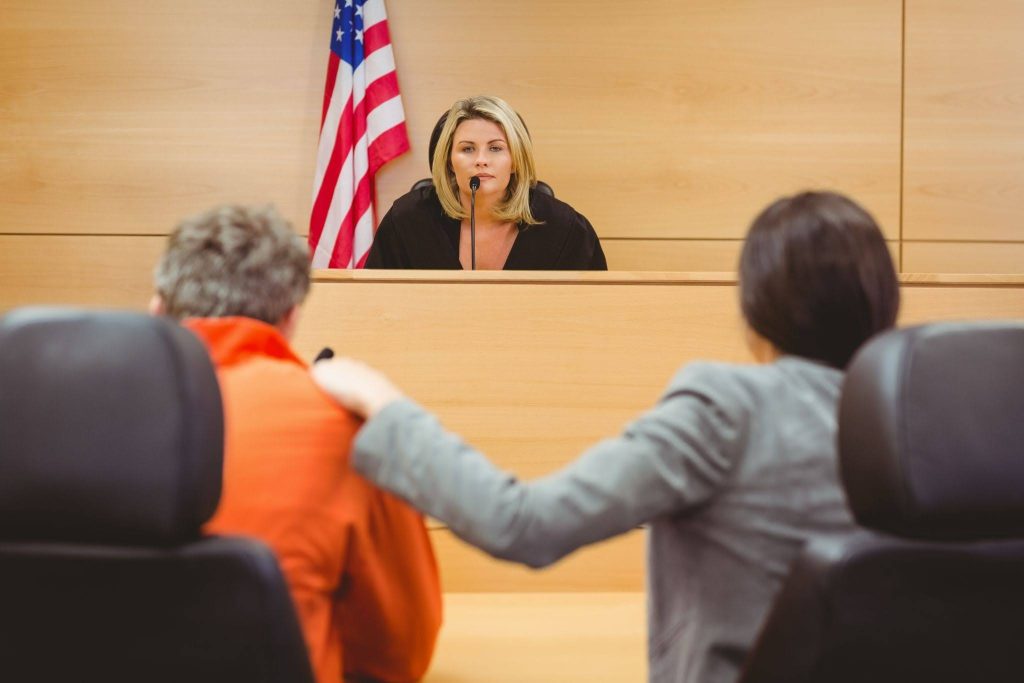
After law enforcement takes an individual into custody:
- DUI Arrests: Often occur during traffic stops. Immediate field sobriety or chemical testing may add time before booking. DUI bail bonds can help release faster.
- Felony Arrests: Higher-severity crimes require more extensive processing, potentially delaying release. Felony bail bonds are often needed.
- Misdemeanor Arrests: Minor charges are generally processed quicker, with lower bail. Misdemeanor bail bonds streamline the release.
- Domestic Violence Arrests: Additional screenings and protective orders may be required. Domestic violence bail bonds assist in release.
- Warrants: Arrests due to outstanding warrants can be unpredictable. Warrant bail bonds facilitate release.
- Immigration-Related Arrests: Require federal coordination. Immigration bail bonds are specialized.
Step 2: Booking Process
Booking at the jail involves:
- Collecting personal and arrest information
- Photographing and fingerprinting
- Securing personal belongings
- Health screening
During this stage, arrestees may be allowed a phone call to reach a family member, attorney, or licensed bail bondsman via California Bail.
Step 3: Bail Determination
Bail is usually set at the initial court appearance, which occurs within 48 hours. Factors affecting bail include:
- Severity of the crime
- Flight risk
- Prior criminal history
Options include:
- Cash Bail – full payment to the court
- Bail Bond – percentage payment to a licensed company
- Release on Own Recognizance (ROR) – no payment for eligible individuals
Licensed services like California Bail assist with emergency bail bonds, 24/7 release, and county-specific procedures.
Step 4: Posting Bail
Posting bail can significantly reduce time in custody:
- Cash bail can be posted directly at the jail or court
- Bail bonds allow quicker release through licensed companies
- Payment plans and no-collateral options may be available
County-specific bail considerations:
- Imperial & Santa Barbara counties may have slightly longer processing times due to local regulations
Step 5: Court Scheduling
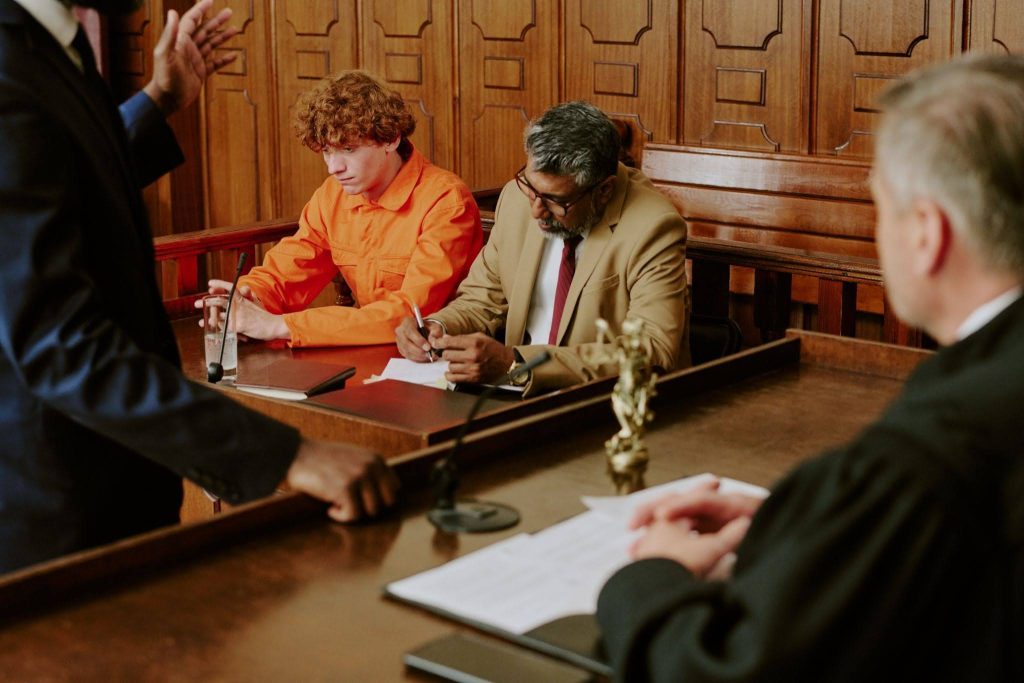
Even after bail is posted, court scheduling can affect release timing:
- First appearance usually occurs within 48 hours
- Arraignment, pre-trial motions, and discovery can influence how long someone stays out or in custody
- A licensed bail bondsman ensures all paperwork and payments are processed efficiently through California Bail
Step 6: Common Scenarios Affecting Release Time
- Weekends & Holidays: Some courthouses do not process bail immediately, leading to extra hours in custody.
- High-Profile Cases: Felonies or high-risk defendants may require additional verification.
- Outstanding Warrants: Processing can take longer if there are multiple jurisdictions involved.
- Immigration Cases: Coordination with federal authorities can delay release.
Step 7: How Bail Services Speed Up Release
Using licensed bail services like California Bail can dramatically reduce jail time:
- 24/7 emergency assistance
- Fast payment processing
- Specialized bail types (DUI, felony, misdemeanor, domestic violence, immigration)
- County-specific expertise ensures compliance with local regulations
Step 8: Practical Tips for Families
- Gather accurate personal and financial information
- Contact a licensed bail bondsman immediately after the arrest
- Keep all receipts and documentation
- Maintain communication with the attorney to avoid delays
Step 9: Understanding County Differences
Each California county may have different timelines for:
- Jail intake processing
- Bail posting
- Court appearances
For instance, San Diego and Los Angeles counties may have faster bail release options than smaller counties. Families should check California Bail service areas to ensure the correct procedures.
Step 10: After Release
Once released:
- Comply with all court orders and conditions
- Attend all scheduled hearings
- Maintain contact with your attorney
- Adhere to any restrictions imposed as part of bail
Failure to comply may result in re-arrest or forfeiture of bail.
Frequently Asked Questions
1. How quickly can someone be released from jail in California?
Depending on charges, bail posting, and county, it can be hours to a few days.
2. Can release happen without paying bail?
Yes, some low-risk defendants may be released on their own recognizance.
3. What affects release time the most?
Type of charge, prior record, county procedures, and availability of bail services.
4. How can bail services speed up release?
Licensed bail bondsmen through California Bail handle paperwork, emergency requests, and 24/7 coordination.
5. Are bail payments refundable?
Bail bond fees are non-refundable; cash bail may be refunded if court conditions are met.
6. Can bail be posted online?
Yes, California Bail offers online applications for eligible cases.
7. What should families prepare before posting bail?
Full legal name, booking number, ID, co-signer information, and payment method.


